Technology Profile
| Title: | A Green Process for Production of Methylxanthines for Food and other Applications |
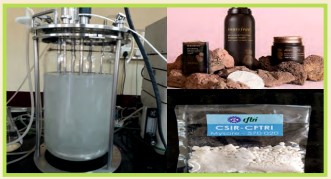
| Value Proposition: | A green process for the production of methylxanthines focuses on environment-friendly and sustainable methods to obtain compounds such as caffeine, theobromine, and theophylline. Instead of chemical synthesis, the process often employs biotechnological or enzymatic methods using microorganisms or plant derived enzymes. This approach reduces toxic reagents, lowers energy consumption, and minimizes environmental pollution while producing high purity methylxanthines for use in food, pharmaceutical, and nutraceutical industries. |
| Summary Application: | Methylxanthines produced through green processes are widely used in functional foods, beverages, pharmaceuticals, and nutraceutical products. Caffeine is used as a stimulant in coffee, tea, energy drinks, and dietary supplements, while theobromine is used in chocolate based products and health formulations. Theophylline has pharmaceutical applications for respiratory conditions. Biotechnological production methods such as microbial fermentation or enzymatic biotransformation make the process more sustainable and suitable for large scale industrial production. |
| Advantages: | The green production process offers several advantages including reduced environmental impact, lower energy usage, and minimal chemical waste. It improves process safety and sustainability compared with conventional chemical synthesis. Additionally, biotechnological methods allow high specificity, better product yield, and improved purity of methylxanthines. The approach also supports circular bioeconomy practices, as agricultural residues or natural substrates can be used as raw materials in the production process. |
| Commercialization Status: | Already Commercialised |
| Tech. Readiness Level: |

: director[at]cftri[dot]res[dot]in
:91-821-2517760
:https://cftri.res.in