Technology Profile
| Title: | Multigrain Bread |
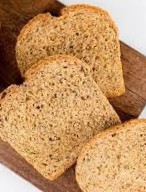
| Value Proposition: | Multigrain bread offers a nutritious alternative to conventional white bread by combining different grains such as wheat, oats, barley, millets, and seeds. This blend improves the nutritional quality by increasing dietary fiber, vitamins, minerals, and protein content. It meets the growing demand for healthier bakery products among consumers seeking balanced diets. Multigrain bread also supports functional food trends by promoting better digestion, sustained energy release, and overall wellness. |
| Summary Application: | Multigrain bread is widely used in homes, bakeries, and food service establishments. It is commonly consumed as slices for breakfast, sandwiches, toast, and snacks. The bread serves as a base for healthy meal preparations such as vegetable sandwiches, grilled toast, and diet friendly meals. Due to its improved nutritional composition, it is often preferred by health conscious consumers, fitness enthusiasts, and individuals seeking balanced daily diets. |
| Advantages: | Multigrain bread provides several advantages, including higher fiber content that supports digestive health and better satiety. The presence of multiple grains contributes essential nutrients such as B-vitamins, iron, and magnesium. It offers improved flavor, appealing texture, and better nutritional balance than refined wheat bread. Additionally, multigrain bread helps diversify grain consumption, supports healthier eating habits, and aligns with the increasing demand for wholesome bakery products |
| Commercialization Status: | Already Commercialised |
| Tech. Readiness Level: |