Technology Profile
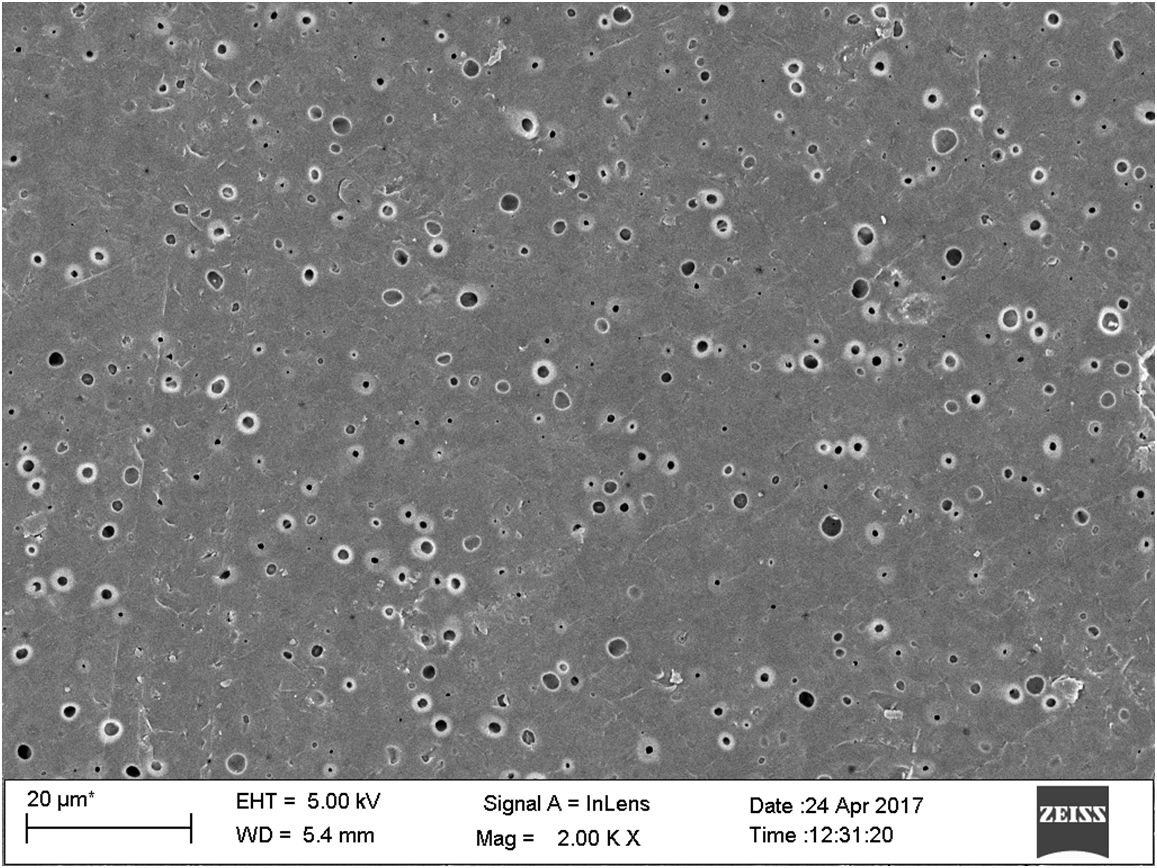
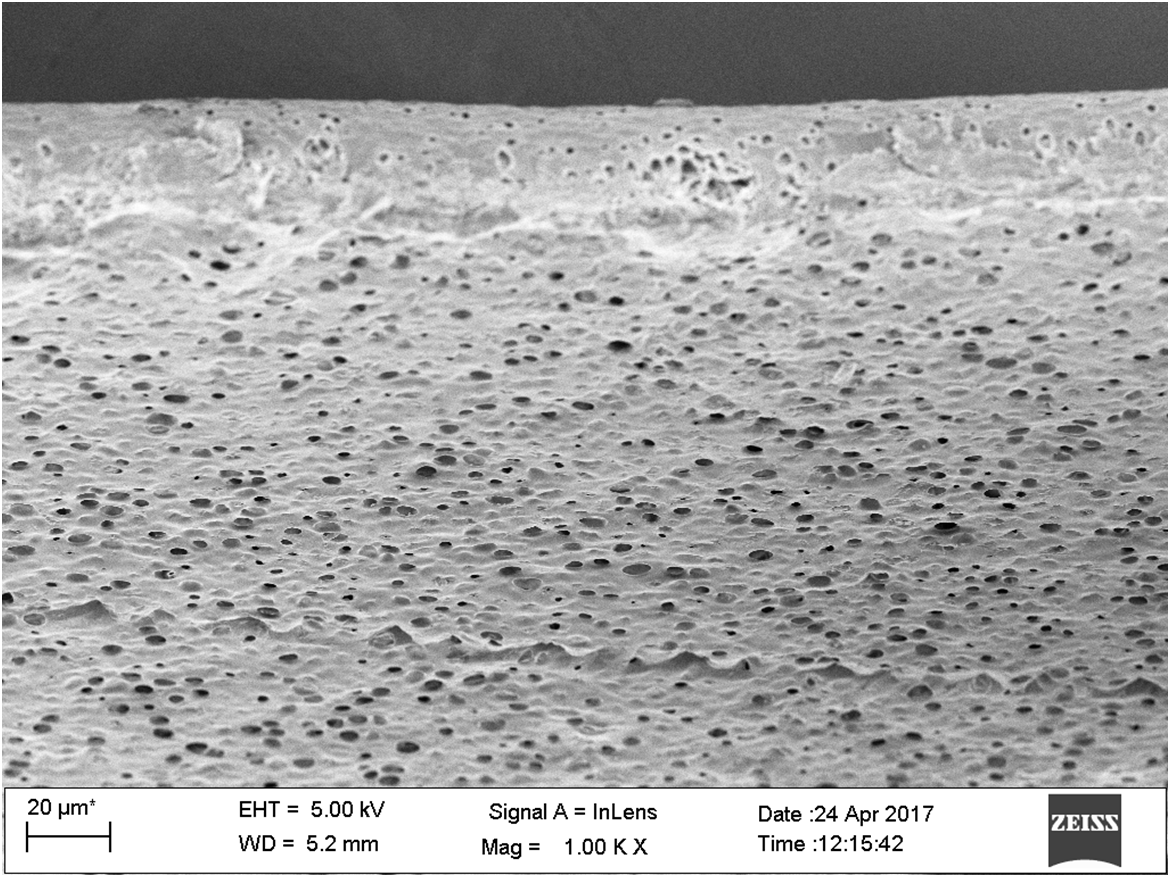
| Title: | Novel Membrane with Controlled MW Cut off for Racemic Resolution of Amino Acids |
| Value Proposition: | Amino acids are produced in large amounts through chemical synthesis and/or by microbial fermentation of cane or beet molasses with generally selected bacterial strain. These are obtained in aqueous solution and have to be separated from excess reagents or substrates and nutrients in case of fermentation, from impurities introduced through feed and from by products. For their recovery, separation and purification from the fermentation broth, a series of separation steps like filtration, crystallization and ion exchange are used. Final purification and recovery is achieved by chromatography techniques and by fractional crystallization. However, there is an increasing trend of using single enantiomer of amino acids and other compounds in food and pharmaceutical industries, instead of racemates which actually are composed of equimolar amounts of enantiomers. Conventionally, large scale production of optical isomers is based on chromatographic processes with chiral stationary phases. However, Chromatography is a time consuming and cost effective process. Thus, there is a need to design a suitable membrane for separation of isomers of amino acids with the ultimate aim for a membrane based process. CSIR-NEIST has developed a novel membrane of Controlled MW (Molecular Weight) Cut off and was used for a process for resolution of amino acids with high purity (ee>98%). |
| Summary Application: | Enantioselective solid polymeric membrane has the potential to become the future technological innovation for isomer separation from racemic compound for production of enantiomerically pure compounds.The technology is used for effective separation of D and L isomers amino acids with reasonably high enantioselectivity. |
| Advantages: |
|
| Tech. Readiness Level: |